Why Regular HVAC Maintenance Is Your First Line of Defense Against Mold in Clarksville
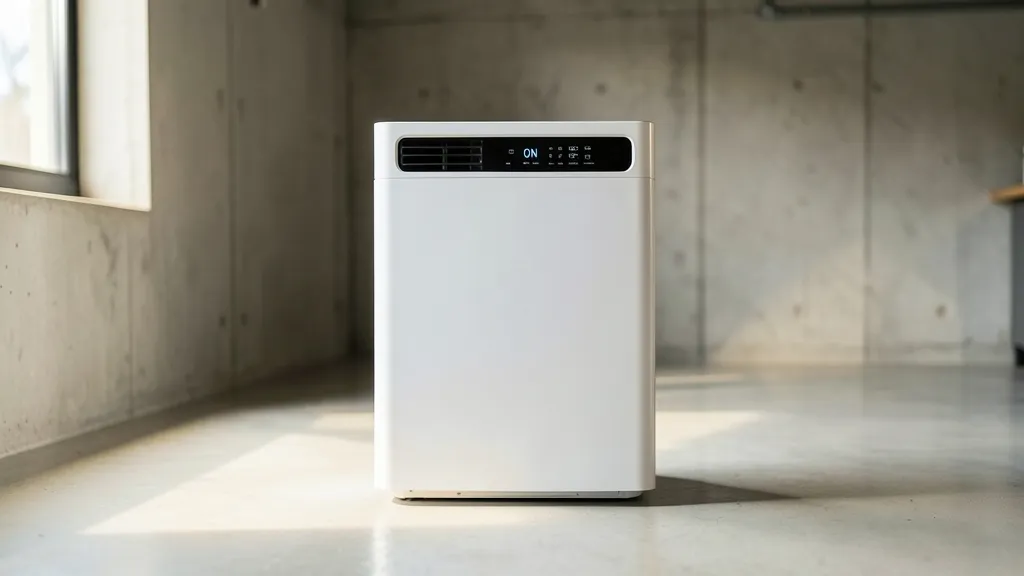
In our region’s humid climate, your HVAC system does more than cool or heat—it’s a critical defense against mold growth. Without regular upkeep, hidden moisture in ductwork or coils can turn into a full-blown infestation, especially in basements and crawl spaces common in Clarksville-area homes. We’ll show you how proactive maintenance stops spores before they spread.
How HVAC Systems Unintentionally Fuel Mold Growth
Your HVAC moves air—and moisture—throughout your home. When coils, drain pans, or ductwork collect condensation, they create the perfect damp environment for mold spores to colonize.
Poorly sealed ducts in attics or crawl spaces pull in humid outdoor air, accelerating growth. Even a small leak in return lines can introduce spores from basements or garages into living spaces.
Evaporator coils and drain pans are prime mold breeding grounds. Left unchecked, they can circulate spores into every room via your vents.
Clarksville’s Climate: A Perfect Storm for Mold
Our warm, humid summers and mild, damp winters keep indoor humidity elevated year-round. Without controlled airflow, moisture lingers in walls, under flooring, and inside HVAC components.
Homes near Fort Campbell or in older neighborhoods like Oak Grove often face higher risks due to aging systems or insufficient ventilation in tight, energy-efficient builds.
The Role of Filtration in Mold Prevention
High-efficiency filters (MERV 8–13) trap mold spores before they settle on surfaces. But clogged filters restrict airflow, increasing humidity and reducing system efficiency.
HEPA filters offer superior protection but require compatible HVAC systems. We recommend checking filter fit and MERV ratings during every maintenance visit.
| Filter Type | MERV Rating | Mold Spore Capture | Airflow Resistance |
|---|---|---|---|
| Fiberglass | 1-4 | Poor | Low |
| Pleated | 5-8 | Moderate | Low-Moderate |
| High-Efficiency Pleated | 9-12 | Good | Moderate |
| HEPA | 17+ | Excellent | High (requires compatible system) |
Key HVAC Maintenance Tasks to Stop Mold Before It Starts
Bi-annual inspections catch early signs of moisture buildup or microbial growth in components. Technicians should clean evaporator coils, drain pans, and condensate lines to prevent standing water.
Sealing ductwork in attics, basements, and crawl spaces prevents humid air infiltration. In homes near Springfield or Dover, where basements are common, this step is non-negotiable.
When Maintenance Isn’t Enough: Signs You Need Professional Mold Remediation
Musty odors, visible growth on vents, or unexplained allergy symptoms often indicate a hidden problem. If you spot discoloration on walls near vents or in crawl spaces, act fast—mold can spread within 48 hours.
Persistent humidity above 60% or condensation on windows suggests your HVAC isn’t controlling moisture. In these cases, a mold inspection and air quality testing may be necessary.
Red Flags for Mold in Your HVAC System
- Visible mold on vents, coils, or ductwork
- Musty smells when the system runs
- Water stains or drips near the indoor unit
- Unexplained respiratory issues among household members
- High humidity levels despite running the AC
The Cost of Neglect: Mold Remediation vs. Prevention
Mold remediation costs vary widely based on the extent of growth, affected materials, and whether it’s in hard-to-reach areas like ductwork or crawl spaces. Factors include the size of the area, type of mold, and if structural repairs are needed.
Investing in HVAC maintenance and moisture control is far cheaper than addressing a full-scale infestation. Request a quote to understand your options.
A $200–$300 annual HVAC tune-up can save thousands in remediation costs. Plus, it extends your system’s lifespan and improves energy efficiency.
Commercial Spaces: Why Clarksville Businesses Can’t Afford to Skip HVAC Upkeep
Offices, retail spaces, and warehouses often have larger, more complex HVAC systems. Poor maintenance can lead to widespread mold issues, affecting employee health and customer safety.
Regular commercial mold inspections and HVAC servicing are critical, especially in high-traffic areas or buildings with flat roofs prone to leaks.
How to Maintain Your HVAC System for Mold Prevention
Follow these steps to keep your system dry and mold-free between professional servicing.
- 1Inspect and Replace Filters Monthly
Check filters every 30 days, especially during high-use seasons. Replace pleated filters every 1–3 months; fiberglass filters monthly. Upgrade to higher MERV ratings if your system allows.
- 2Clean Condensate Drain Lines
Pour a cup of white vinegar or a specialized HVAC cleaner down the drain line every 3–6 months to prevent clogs and microbial growth.
- 3Monitor Indoor Humidity
Use a hygrometer to keep humidity between 30–50%. If levels rise, run a dehumidifier or adjust your HVAC settings.
- 4Seal Ductwork and Insulate
Inspect ducts for leaks or gaps, especially in attics, basements, or crawl spaces. Seal with mastic or metal tape, and insulate to prevent condensation.
- 5Schedule Professional HVAC Maintenance
Have a technician service your system twice a year—spring and fall—to clean coils, check drain pans, and verify proper airflow.
Frequently Asked Questions
How often should I have my HVAC system inspected for mold in Clarksville?
We recommend bi-annual HVAC maintenance, ideally in spring and fall. If you notice musty odors, visible mold, or high humidity, schedule an inspection immediately. Homes in humid areas like Oak Grove or near Fort Campbell may benefit from more frequent checks.
Can mold in my HVAC system make my family sick?
Yes. Mold spores circulated through ductwork can trigger allergies, asthma attacks, and respiratory infections. Vulnerable individuals—children, the elderly, or those with compromised immune systems—are at higher risk.
What’s the difference between mold testing and mold inspection?
A mold inspection visually assesses your home for growth, moisture sources, and risk areas. Mold testing involves air or surface samples analyzed in a lab to identify spore types and concentrations. Both are often needed for a full diagnosis.
Does my home insurance cover mold remediation if it’s caused by HVAC neglect?
Most standard policies exclude mold damage resulting from poor maintenance. Coverage typically applies only if mold stems from a covered peril, like a sudden water leak. Always review your policy and document maintenance efforts.
Are there specific HVAC features that help prevent mold in humid climates like Clarksville?
Yes. Systems with variable-speed blowers, UV lights in ductwork, and built-in dehumidifiers are highly effective. Whole-house dehumidifiers and proper attic/basis ventilation also reduce moisture buildup.
I rent my home in Clarksville. What can I do if my landlord won’t address HVAC mold concerns?
Document the issue with photos and a written request. In Tennessee, landlords are required to maintain habitable conditions, which includes addressing mold hazards. If they refuse, contact local housing authorities or a tenant rights organization.