Why Thermal Imaging Is a Game-Changer for Mold Inspections in Clarksville
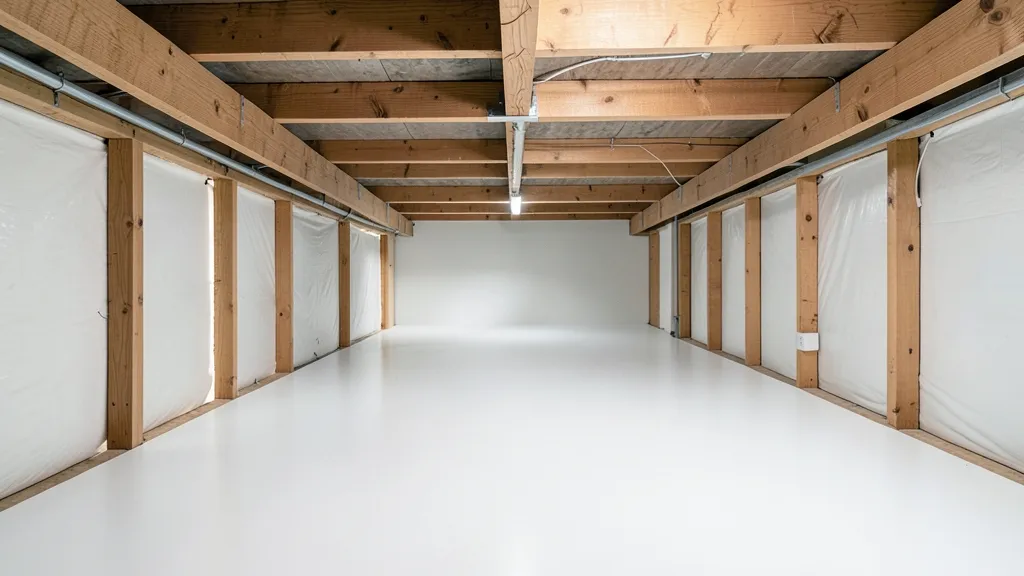
Mold thrives where moisture hides, and in our humid Tennessee climate, that’s often behind walls or under floors. Thermal imaging lets us see what’s invisible to the naked eye—pinpointing problem areas before mold takes hold. It’s not just a tool; it’s a game-changer for accurate, non-invasive inspections.
How Thermal Imaging Works in Mold Detection
Thermal imaging cameras detect infrared radiation, translating temperature differences into visual images. Cooler areas often indicate moisture—mold’s ideal breeding ground.
Unlike traditional inspections, this method doesn’t require tearing into walls. We scan surfaces to identify temperature anomalies that signal hidden leaks or condensation.
Why Clarksville’s Climate Demands Advanced Inspection Tools
Our region’s high humidity, especially in summer, accelerates mold growth. Thermal imaging helps us stay ahead by catching moisture issues early, before they escalate.
From Oak Grove to Fort Campbell, older homes and military housing often have hidden vulnerabilities. Thermal scans reveal gaps in insulation or vapor barriers that trap moisture.
Attics and crawl spaces are prime targets in our area. Poor ventilation in these zones creates perfect conditions for mold.
Thermal Imaging vs. Traditional Mold Inspection Methods
Standard visual inspections miss what’s behind drywall or under flooring. Thermal imaging exposes these hidden problems without destructive testing.
| Method | Invasiveness | Moisture Detection | Speed |
|---|---|---|---|
| Visual Inspection | Non-invasive | Limited (surface-only) | Fast |
| Moisture Meter | Minimally invasive | Point-specific | Moderate |
| Thermal Imaging | Non-invasive | Whole-area (hidden moisture) | Fast |
| Destructive Testing | Invasive | Accurate (but limited scope) | Slow |
Common Problem Areas Thermal Imaging Reveals
We frequently uncover moisture in attics due to roof leaks or poor ventilation. Thermal scans highlight cold spots where insulation is saturated.
Crawl spaces in Springfield or Dover often show heat loss or condensation. These areas are prone to mold if vapor barriers are compromised or drainage is inadequate.
Basements and slab foundations can hide moisture from plumbing leaks or groundwater seepage. Thermal imaging pinpoints these issues before mold colonies form.
The Role of Thermal Imaging in Water Damage Restoration
After water damage, thermal imaging helps us map the full extent of saturation. This ensures we dry all affected areas, preventing secondary mold growth.
It’s especially critical for commercial properties, where large spaces and complex HVAC systems can hide moisture. We use thermal scans to guide targeted remediation.
Mold can spread within 24-48 hours of water intrusion. Thermal imaging lets us act fast, even if the damage isn’t yet visible.
What to Expect During a Thermal Imaging Mold Inspection
Our team starts with a visual assessment, then uses thermal cameras to scan walls, ceilings, and floors. We focus on high-risk areas like bathrooms, kitchens, and laundry rooms.
We also check HVAC systems, as ductwork can distribute mold spores. Thermal imaging helps us identify condensation or leaks in these systems.
Pre-Inspection Prep
- Clear clutter from walls and corners for unobstructed scans
- Note any known leaks or water damage
- Provide access to attics, crawl spaces, and basements
- Share history of past water issues or mold remediation
Limitations of Thermal Imaging and When to Combine Methods
Thermal imaging can’t detect mold directly—it finds moisture, which leads to mold. For confirmation, we pair it with air quality testing or surface sampling.
It’s less effective on reflective surfaces like metal or glass. In these cases, we use moisture meters or borescopes for a complete assessment.
Preventing Mold with Proactive Moisture Control
Thermal imaging isn’t just for detection—it’s a preventive tool. We use it to identify weak points in your home’s envelope before they become problems.
In Clarksville’s climate, regular scans are smart for high-risk properties. This includes homes with poor drainage, flat roofs, or histories of water damage.
How to Interpret Thermal Imaging Results for Mold Risk
Understanding thermal images helps you see potential mold risks before they escalate.
- 1Identify Temperature Anomalies
Look for cold (blue/purple) or hot (red/orange) spots. Cold areas often indicate moisture; hot spots may signal electrical issues or insulation gaps.
- 2Compare with Structural Elements
Note where anomalies align with pipes, windows, or roof lines. These are common sources of leaks or condensation.
- 3Check for Patterns
Linear cold spots may indicate plumbing leaks. Patchy cold areas could signal roof leaks or poor vapor barriers.
- 4Correlate with Moisture Readings
Use a moisture meter to confirm high readings in anomalous areas. This validates the thermal findings.
- 5Prioritize Remediation
Focus on areas with both thermal anomalies and high moisture. These are the most urgent for mold prevention or removal.
Frequently Asked Questions
Is thermal imaging safe for my home in Clarksville?
Yes, thermal imaging is completely non-invasive and safe. It uses infrared technology to detect heat patterns without emitting radiation or damaging your property.
Can thermal imaging find mold in my attic?
Absolutely. Attics are high-risk zones for mold due to poor ventilation and roof leaks. Thermal imaging helps us spot moisture in insulation or decking before mold spreads.
How often should I get a thermal imaging inspection?
We recommend thermal scans annually for high-risk homes, especially in humid areas like Fort Campbell or Oak Grove. After water damage or major storms, schedule one immediately.
Does thermal imaging work for commercial mold inspections?
Yes, it’s highly effective for commercial properties. Large spaces, complex HVAC systems, and hidden plumbing make thermal imaging invaluable for thorough inspections in Springfield or Dover businesses.
What’s the difference between thermal imaging and mold testing?
Thermal imaging detects moisture that can lead to mold, while mold testing (air or surface samples) confirms its presence. We often use both for a complete assessment.
Will thermal imaging find all mold in my home?
No tool is 100% foolproof. Thermal imaging excels at finding hidden moisture, but we combine it with other methods like air quality testing for comprehensive results.